
Paints In Construction Chemicals

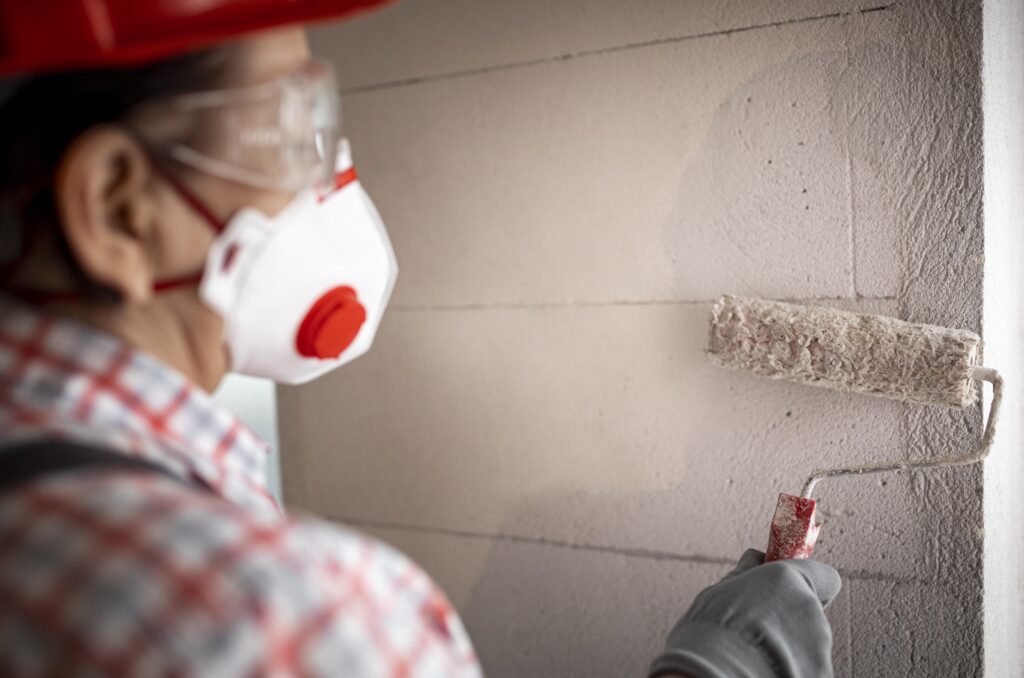
Introduction – Construction Chemical Paints
Modern construction relies on advanced materials. Among them, construction chemical paints hold a vital position. These paints protect, strengthen, and beautify structures. Moreover, they improve resistance to weather and wear. Additionally, they extend the lifespan of buildings. Therefore, they are essential in construction projects. This blog explores their uses and importance. Furthermore, it highlights the role of paints in construction across industries.
Understanding Construction Chemical Paints
Construction chemical paints are not ordinary coatings. They combine chemical additives with paint technology. This enhances performance on multiple surfaces. Moreover, they protect against moisture, chemicals, and corrosion. Additionally, they improve energy efficiency through insulation. Since they support both function and aesthetics, they are widely adopted. Therefore, the role of paints in construction is far-reaching. Furthermore, they adapt to both residential and industrial needs.
Types of Construction Chemical Paints
Different types serve specific purposes. These construction chemical paints include:
- Epoxy Paints – highly durable and chemical resistant.
- Acrylic Paints – flexible and weather resistant.
- Polyurethane Paints – glossy and resistant to abrasion.
- Cementitious Paints – used for waterproofing and concrete protection.
The Role of Paints in Construction
The role of paints in construction extends beyond decoration. Firstly, they protect surfaces from water damage. Secondly, they resist chemical exposure. Thirdly, they prevent corrosion of steel and metals. Moreover, paints improve hygiene in hospitals and industries. Additionally, they enhance indoor comfort through reflective finishes. Since construction demands durability, these paints are indispensable. Therefore, they define the standard of modern structures.
Applications of Construction Chemical Paints
The applications are diverse and practical. Construction chemical paints are used in:
- Residential buildings for waterproofing and aesthetics.
- Commercial spaces for strength and durability.
- Industrial sites for chemical and abrasion resistance.
- Infrastructure projects like bridges and highways.

Advantages of Using Construction Chemical Paints
The benefits are clear and measurable:
- Enhanced protection from harsh weather
- Resistance to chemicals and moisture
- Longer building lifespan
- Improved aesthetics and safety
Innovations in Construction Chemical Paints
Technology is reshaping construction. New formulations in construction chemical paints are changing performance standards. Smart paints can resist heat. Moreover, nano-coatings offer microscopic protection. Additionally, eco-friendly paints reduce environmental impact. Since durability is key, manufacturers focus on self-healing properties. Therefore, the role of paints in construction continues to evolve. Furthermore, innovation ensures paints remain relevant in the future.
Tips for Effective Use of Construction Chemical Paints
To maximize performance, follow these tips:
- Always prepare surfaces before applying.
- Use primers for stronger adhesion.
- Select paint based on project type.
- Ensure proper drying between coats.
Conclusion
The construction chemical paints are essential for modern projects. They protect, enhance, and extend the life of structures. Moreover, they support sustainability through eco-friendly options. Additionally, the role of paints in construction ensures safety and aesthetics. Since innovations continue, paints are becoming smarter. Therefore, adopting them guarantees stronger and better buildings. Furthermore, they set new standards in the industry.





Responses