
How to make water base paints

Introduction
The water-based paint making process is simple, safe, and eco-friendly. It allows you to create durable paints at home. Many people prefer it because it reduces cost and provides creative control. Moreover, it is a great way to understand the science behind paints. Therefore, learning this process benefits both beginners and professionals.
Basics of the Paint Making Process
Every paint, including water-based paints, has three main parts.
- Pigments provide color.
- Binders keep particles together.
- Solvents make application smooth.
In the water-based paint making process, water is used as the solvent. Therefore, the paints dry quickly and release less odor. Furthermore, additives may improve durability and resistance. This makes the paint making process highly practical.
Ingredients for Water-Based Paint Making Process
The right ingredients ensure good quality results.
- Pigments: natural or synthetic.
- Binders: latex or acrylic.
- Solvent: water.
- Additives: defoamers, preservatives.
- Tools: containers, gloves, masks.
Since safety is critical, always wear protective gear. Moreover, store prepared paints in airtight containers. The water-based paint making process relies on accurate measurements.
Steps in the Water-Based Paint Making Process
Follow each step carefully to succeed. The water-based paint making process works best when done in order.
Step 1: Prepare Pigments
Crush pigments into fine powder. Filter them well. This ensures smooth color blending.
Step 2: Mix Binder
Add binder into a container. Stir gently. Moreover, ensure a uniform texture.
Step 3: Add Water
Pour water slowly into the mixture. Stir consistently. Because water adjusts viscosity, careful measurement is essential.
Step 4: Combine Pigments and Binder
Add pigments gradually to the binder solution. Stir to remove lumps. Additionally, check for even consistency.
Step 5: Additives
Mix in additives like defoamers or anti-mold agents. This step improves strength and shelf life.
Types of Water-Based Paints
The paint making process creates several paint types.
-
Acrylic paints – durable, flexible, fast-drying.
-
Latex paints – washable, ideal for home interiors.
-
Natural paints – lime or clay-based, eco-friendly.
Each type follows the same water-based paint making process with slight variations.
Safety in Paint Making Process
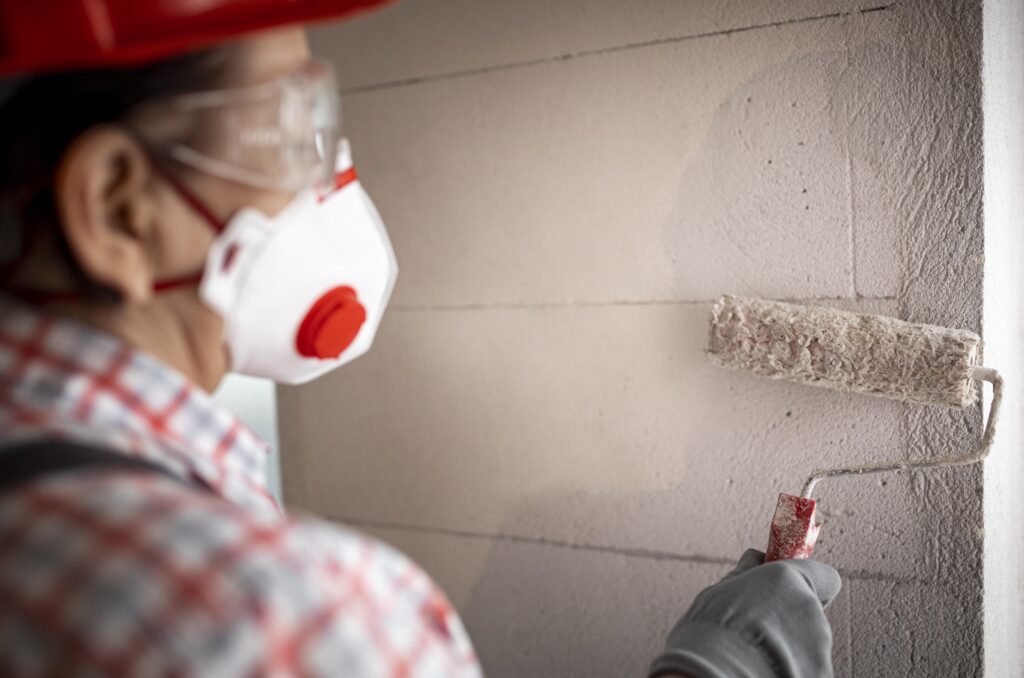
Safety must always come first. Wear gloves, goggles, and masks. Additionally, work in a ventilated area. Since pigments may irritate, avoid inhaling dust. Moreover, keep materials away from children. Proper disposal of chemicals is equally important. By following safety steps, the paint making process becomes safe and reliable.
Benefits of Water-Based Paint Making Process
The water-based paint making process provides many benefits.
- Cost savings.
- Quick drying times.
- Low odor and safer use.
- Eco-friendly practices.
Furthermore, the process gives you freedom to create custom colors. Because of these reasons, the paint making process is growing in demand.
Uses of Water-Based Paints
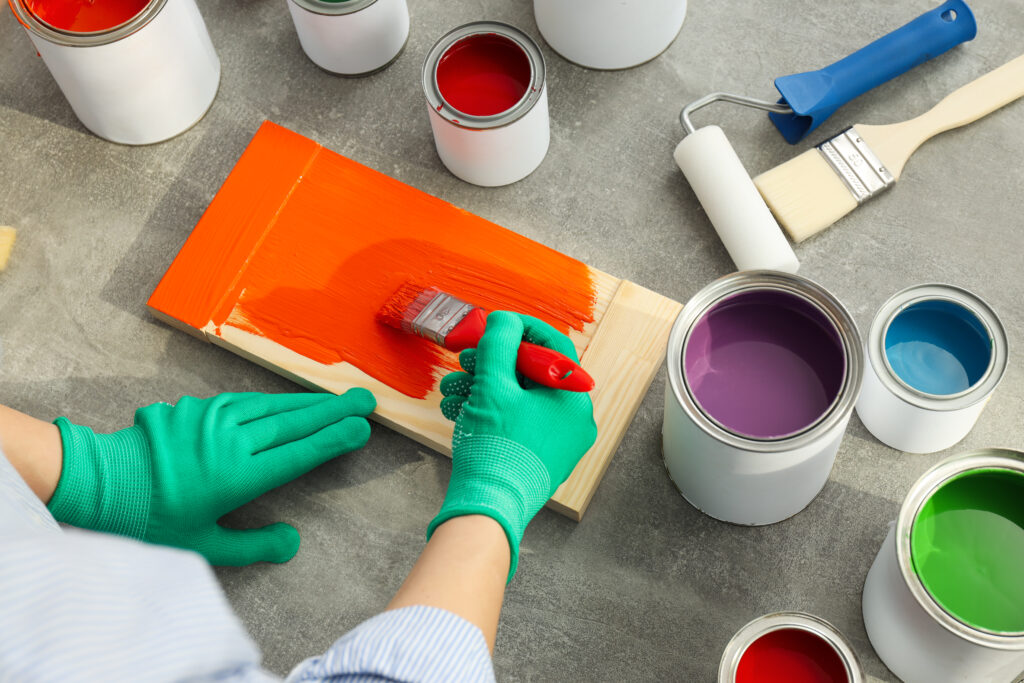
Paints from the water-based paint making process have many applications. They are used on walls, wood, and furniture. In addition, they are applied in schools and craft projects. Since they are affordable, small businesses also prefer them. Moreover, eco-friendly homes rely on them for sustainability.
Conclusion
The water-based paint making process is safe, eco-friendly, and cost-effective. It reduces expenses and supports sustainability. Moreover, it provides flexibility to create unique colors. Because the paint making process is simple, anyone can learn it. Additionally, the skills can be applied at home or in business. Therefore, making water-based paints is practical, creative, and rewarding.



Responses