
Various methods of applications of paints


Introduction – Paint Application Techniques
Painting is not only about color. The correct paint application techniques determine durability, shine, and overall quality. Without proper methods, paint fails quickly. Moreover, using the right tools improves results. Therefore, learning the methods of paint application is essential for homeowners and professionals. In this blog, we will discuss different techniques. Additionally, we will explain where each technique is best used.
Understanding Paint Application Techniques
The process of applying paint involves skill and method. Different surfaces demand different paint application techniques. For example, wood, metal, and walls require unique approaches. Moreover, using correct techniques ensures smooth finishing. Since paints protect surfaces, wrong application reduces their lifespan. Therefore, the methods of paint application must be followed carefully. Additionally, understanding basics saves money and time.
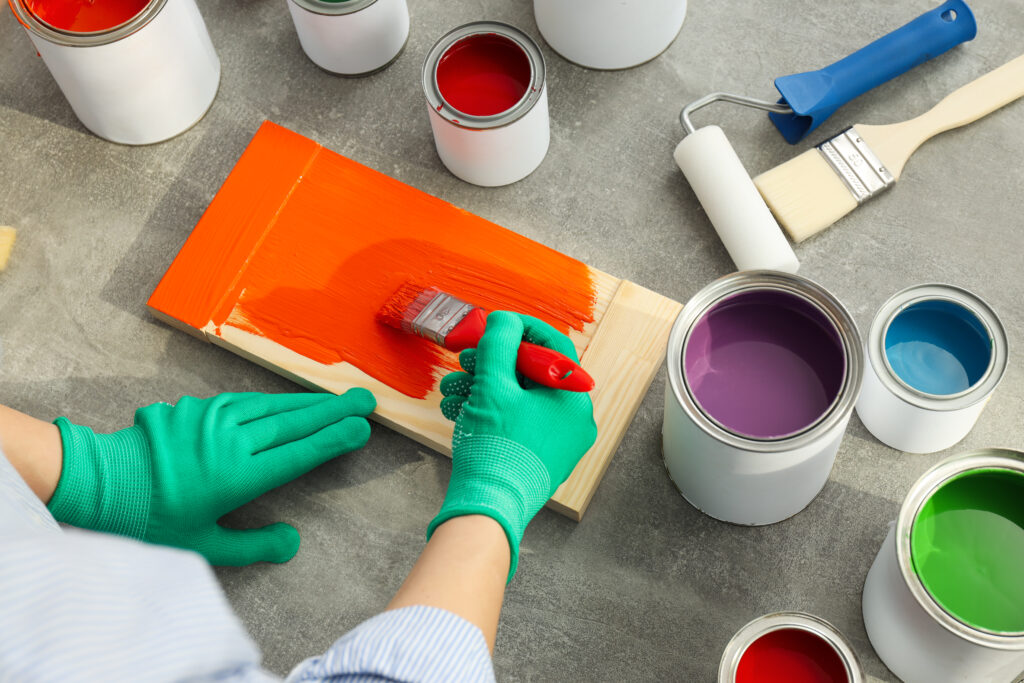
Brush Paint Application Techniques
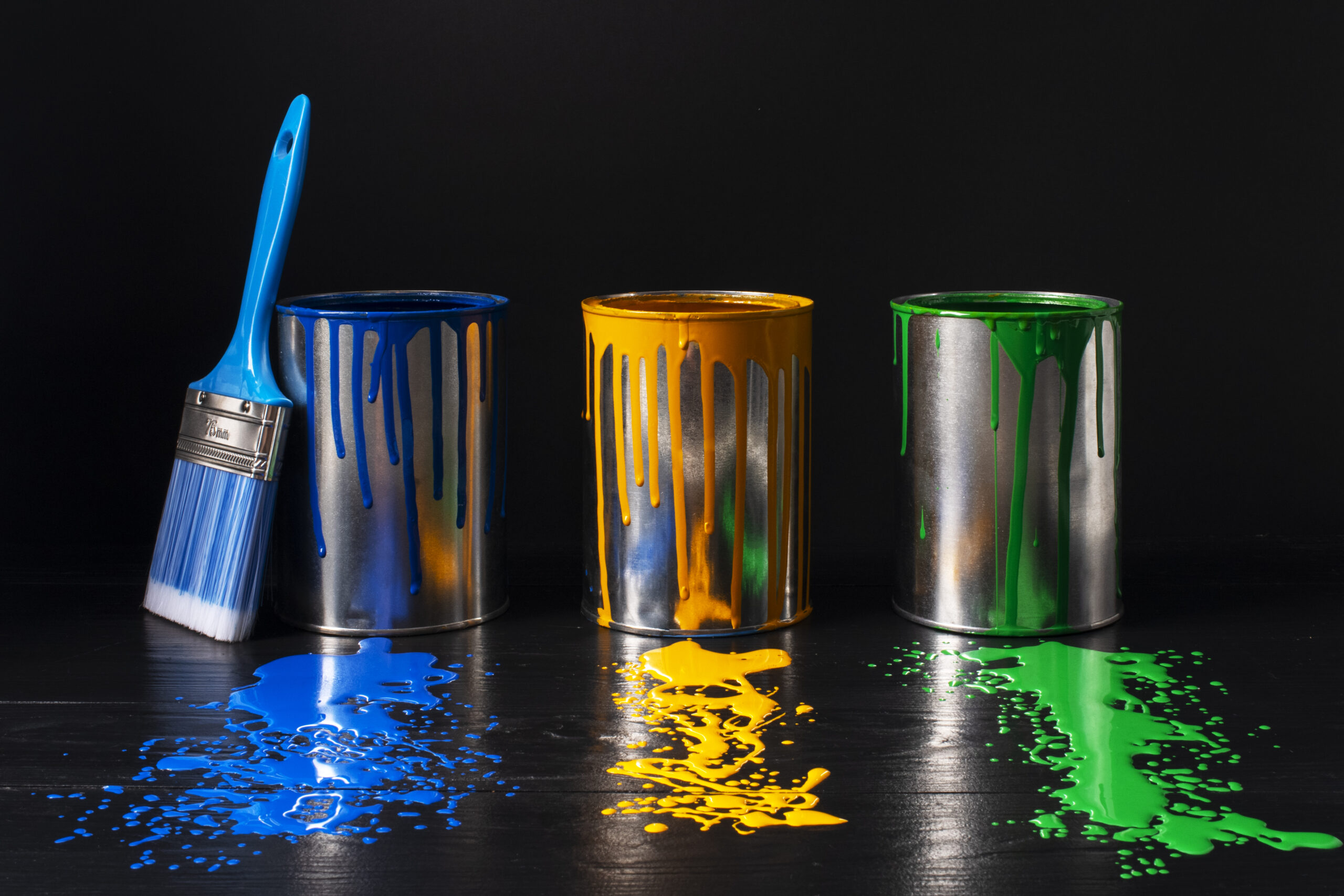
Using brushes is the oldest method. Brushes provide precision.
- Perfect for small areas, edges, and corners
- Allow detailed finishing with control
- Available in many sizes, making them versatile
- Cost-effective and easy to maintain
- Require skill to avoid brush marks
Roller Paint Application Techniques
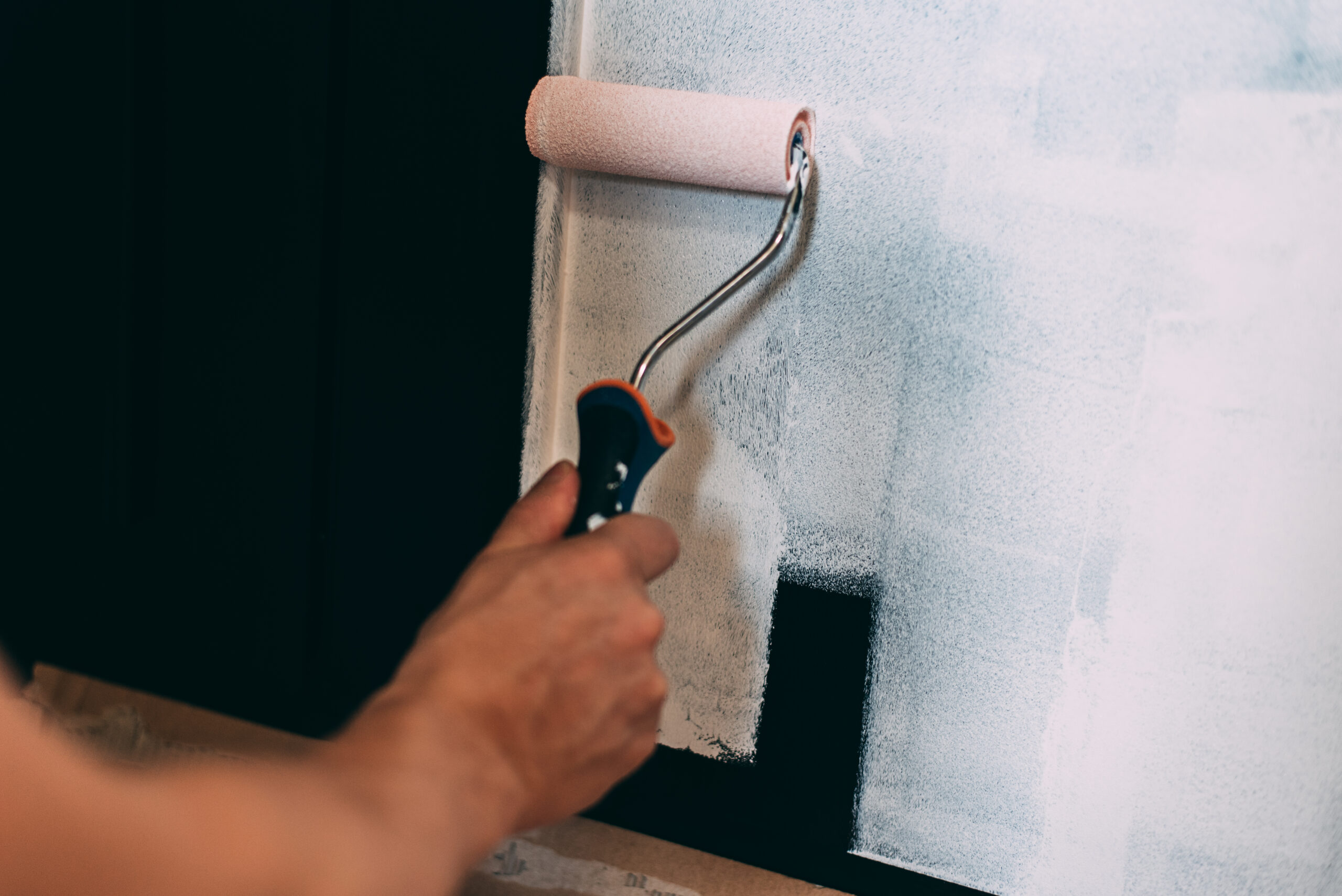
Rollers are widely used in homes and offices. The paint application techniques with rollers cover large areas quickly. They are ideal for walls and ceilings. Moreover, rollers reduce visible marks. Since they spread paint evenly, they save time. Additionally, they come in different textures. Foam rollers, for instance, give smooth finishes. On the other hand, textured rollers create decorative effects. Therefore, the methods of paint application with rollers offer flexibility. Furthermore, rollers work well with both primers and paints.
Spray Paint Application Techniques
Spray painting is fast and efficient. The paint application techniques with sprays are popular for many reasons:
- Provide quick coverage for large projects
- Ensure even coating with smooth finishes
- Reach corners and detailed areas easily
- Save time in industrial work
- Require masks and ventilation for safety
Dip Paint Application Techniques
Dipping is common in factories. Small items are dipped directly into paint. This ensures full coverage. Moreover, it saves time for bulk production. Since objects are coated from all sides, the finish is uniform. Additionally, dipping reduces wastage. However, it is not suitable for large objects. Therefore, the methods of paint application by dipping are limited to specific industries. Furthermore, quality control is vital in this technique.
Electrostatic Paint Application Techniques
Electrostatic painting uses electric charges. Paint particles are attracted to surfaces evenly. The paint application techniques using electrostatics improve efficiency. Moreover, less paint is wasted. Since it gives smooth coating, it is used for cars and appliances. Additionally, it provides strong adhesion. However, it requires special equipment. Furthermore, trained professionals must operate the process. Therefore, the methods of paint application with electrostatics are modern and efficient.
Powder Coating as Paint Application Techniques
Powder coating is a dry finishing method. Powder particles are sprayed and baked onto surfaces. The paint application techniques with powder coating create durable finishes. Moreover, the results are resistant to scratches. Since it avoids solvents, it is eco-friendly. Additionally, it is widely used on metals. However, the process requires ovens and equipment. Therefore, the methods of paint application with powder coating are industrial but highly reliable.
Safety in Paint Application Techniques
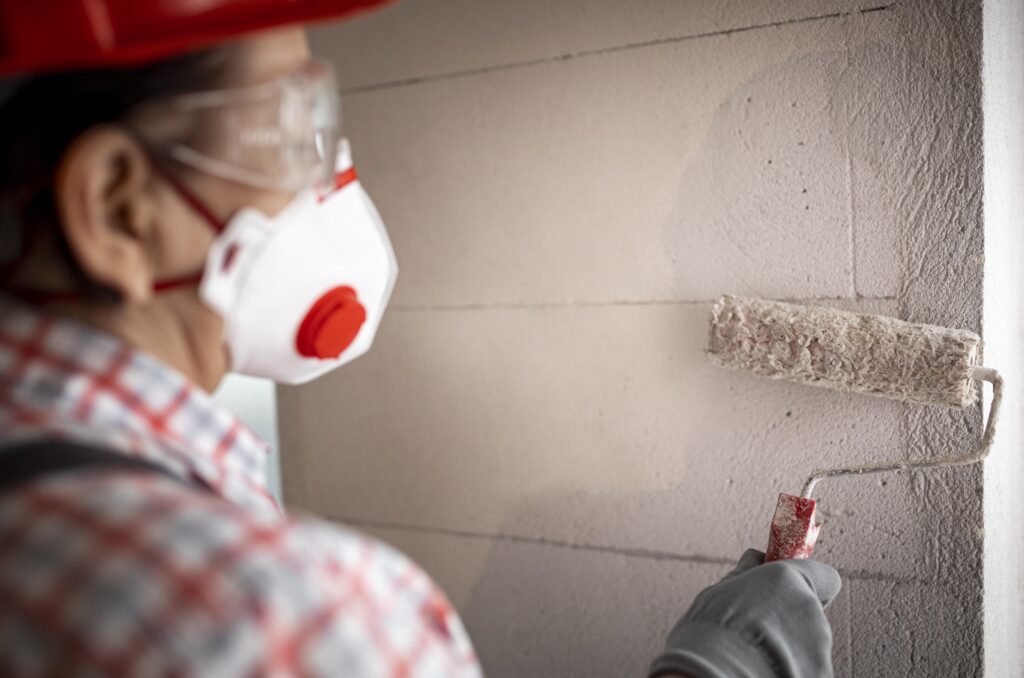
Safety is always a priority. The methods of paint application involve chemicals and tools. Therefore, protective clothing is essential. Moreover, workspaces must be ventilated. Since inhaling fumes can be harmful, masks are important. Additionally, storing paints away from fire sources is crucial. Furthermore, cleaning tools properly prevents accidents. Because safety improves efficiency, the paint application techniques become easier and safer.



Responses