
How to make paints


Introduction – How to Make Paints Easily
Paints are part of our daily lives. They protect surfaces, add beauty, and provide long-lasting finish. But do you know how to make paints? The paint making process is simpler than most people think. With basic tools and safe materials, you can prepare quality paints. Moreover, making your own paint helps reduce cost and improve creativity. In this guide, you will learn everything step by step. Additionally, we will share resources for deeper knowledge.
Understanding the Paint Making Process
Before you start, you need to understand the basics. Paint has three main parts. The first is pigment, which gives color. The second is binder, which holds particles together. The third is solvent, which makes the paint spread smoothly. Without these, paint cannot work properly. Therefore, you must select the right balance. Because of this, the paint making process focuses on these three components. Furthermore, additives may improve durability and resistance.
Essential Materials Required for How to Make Paints
To begin, collect the right ingredients. Firstly, select natural or synthetic pigments. Secondly, choose oils, resins, or latex as binders. Thirdly, pick water or turpentine as solvents. Also, keep some additives for special features. For instance, you may add anti-mold solutions. In addition, keep strong mixing tools ready. You also need safe gloves and masks. Moreover, always store chemicals in proper containers. Since safety is critical, this preparation step must never be ignored.
Step-by-Step Guide – How to Make Paints
Follow these simple steps carefully. Each step in the paint making process must be done in order. Otherwise, the paint quality will suffer.
Step 1: Prepare Pigments
Crush or grind the pigment into fine powder. Because pigment controls color, make sure it is smooth. Also, filter it to remove lumps.
Step 2: Mix Binder
Add the binder slowly into a clean container. Stir it to make a uniform base. Since the binder holds pigment, balance is essential.
Step 3: Add Solvent
Pour the solvent gradually into the mix. This makes the paint spread easily. Moreover, it adjusts the drying speed.
Step 4: Combine Pigment and Binder
Add the pigment into the binder slowly. While mixing, ensure there are no clumps. Additionally, keep stirring for smoothness.
Step 5: Adjust with Additives
Finally, add any special chemicals. These improve shine, durability, or resistance. For example, anti-rust agents are very useful.
Types of Paints and Their Making Process
Different paints need different methods. Because each has unique ingredients, the paint making process changes slightly.
Water-Based Paints
These paints use water as solvent. Therefore, they are safer and eco-friendly. Moreover, they dry faster and cost less.
Oil-Based Paints
These paints use oils or resins as binders. As a result, they are more durable. However, they take longer to dry.
Natural Paints
These paints use clay, lime, or milk. Thus, they are eco-friendly and healthy. In addition, they are easy to prepare at home.
Safety Measures in How to Make Paints
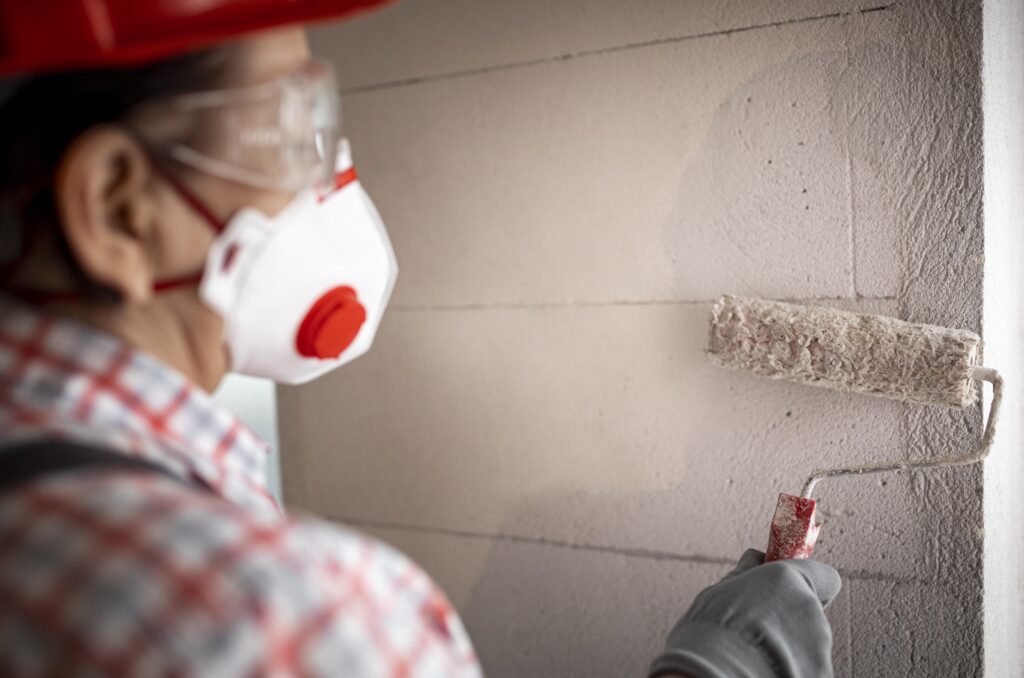
Safety is always a priority. Because chemicals can be harmful, you must protect yourself. Wear gloves, goggles, and face masks. Moreover, always work in a ventilated space. Keep chemicals away from children and pets. In addition, never inhale solvent vapors. Always read the product instructions carefully. Since some ingredients are flammable, avoid open flames. Therefore, handling with care is critical. Furthermore, proper disposal is equally important.
Advantages of Learning Paint Making Process
There are many benefits. Firstly, you save money by making paints yourself. Secondly, you control the quality of ingredients. Thirdly, you get endless creative options. Furthermore, the process is educational and fun. In addition, homemade paints reduce waste. This is because you prepare only what you need. Moreover, you gain new technical skills. Since paints are widely used, this knowledge is valuable.
Practical Applications – Where to Use Homemade Paints
Homemade paints are highly versatile. For example, you can use them on walls. Also, they work well on furniture. Moreover, they can be applied to craft projects. In addition, they are useful for schools and workshops. Since they cost less, they suit small businesses. Furthermore, natural paints are perfect for eco homes. Because of these reasons, demand for DIY paint knowledge is increasing.
Conclusion
Now you understand the paint making process in detail. Making paints is simple, fun, and educational. Moreover, it helps you save costs and customize colors. Because the process is flexible, anyone can try it safely. With correct guidance, you can even scale it into business. Furthermore, the skills are valuable for both professionals and hobbyists. Therefore, the next time you need paint, try making your own.


Responses